





PPF FAQ
Most frequent questions and answers
Depending on the size and difficulty of the vehicle, average time is 1 week in our shop so that we can take our time to make sure it is done to our ridiculously high standards. That gives us extra time to make sure each part of the car is done to the level we strive for. We give the vehicle time to rest and partially cure overnight on the final day, then post heat and make any adjustments needed before it gets picked up by you. There is also a 2 week post delivery checkup that is mandatory for the best results possible. We invite you back so that we can re inspect the vehicle after the film has fully cured and adjust anything that needs it which almost every single vehicle does after a ppf job. We do a complimentary wash and answer any other questions and concerns at that time. Note that we cannot have you pickup the vehicle if it is raining at all as that will affect the vehicle’s quality. It MUST not be driven in the rain for a week.
Opticle and UPPF
We have tried many brands out and discussed with other shops and installers to determine which is right for us.
Branding power, quality film, quality of self healing properties, price, warranty, hydrophobic slickness, clarity, and thickness. All of these and more are reasons why to go with a certain brand or kind of ppf. Each have their potential pros and cons. Our vision and why we chose certain brands to use is to get the absolute best bang for your buck. If 2 different ppfs both perform the exact same, same thickness, same warranty, same clarity and slickness, then it comes down to price and name. Most importantly besides just the film used is the installer and the shop/person that backs the work.
8 Mill
Yes we can use a 10 mill film if the client wishes which is the toughest in the industry BUT again we don’t feel it is the best bang for your buck. Unless the vehicle is a supercar, 8 mill is more than sufficient considering ppf isn’t permanent.
10 years for the film from discoloration, adhesive failure, bubbling.
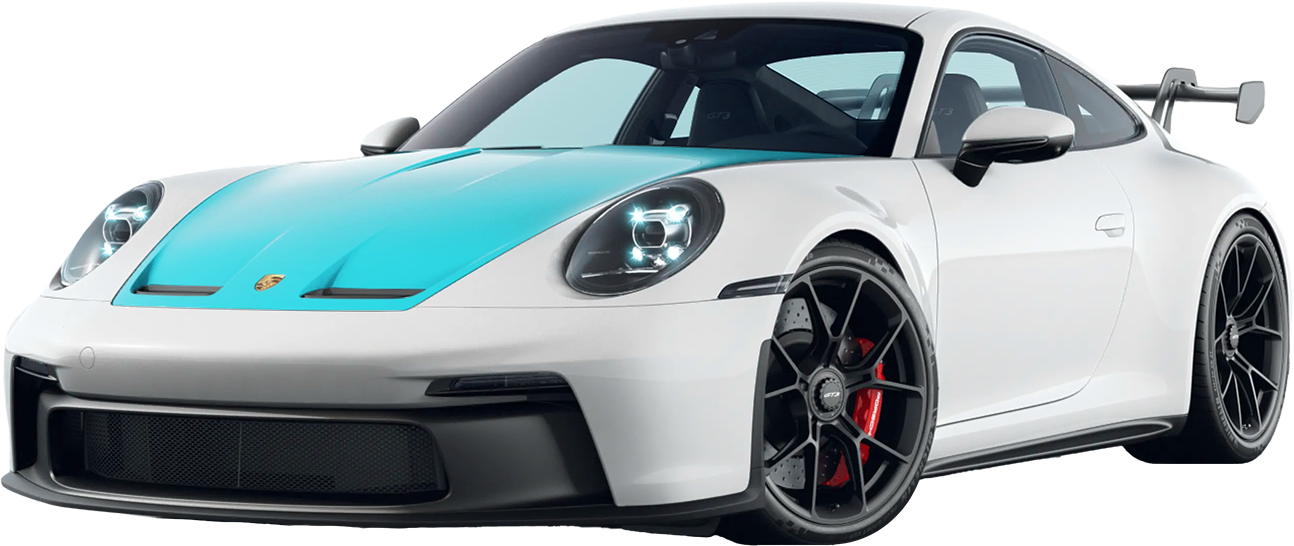
Because we are so particular in how vehicles look, the clear bra or “partial front ppf” is in our opinion, just ugly lol. It kinda goes against our value of beautifying vehicles. It has a distinct hood and fender line and our opinion is if you are going to get any part of the hood ppfed and spend money already why not just ppf the whole hood and avoid a hideous line in the middle. Over time the ppf edges catch and create a dirt line that gets worse and worse over time. If you REALLY want it, ask us =)
Other factors that affect the price of a Paint Protection Film install is the vehicle size, brand of ppf, overhead of shop, uniqueness of vehicle, experience of installer, age of vehicle, and existing ppf to remove.
Vehicle Size
Essentially, smaller vehicles with smaller panels and less surface area require less material—which means a lower price to a client. On the other hand, a larger vehicle with more surface area tends to have a higher cost. Some makes and models have larger panels require the use of larger rolls of ppf. These larger rolls cost more to aquire and store and they also lead to most product waste during install. This can add to the cost of a PPF install.
Brand Of Film
Like most things in life, you get what you pay for. The actual brand of vinyl PPF used will definitely affect the final cost. A shop or installer that uses a high end PPF will be backed by manufacturers warranties and will be rated higher in looks and quality. It will lay cleaner and last longer. Where an imported cheap ppf or even one sold on sites like amazon tend to be of a much lower grade and will cost much less. High quality, manufacturer backed Paint Protection films can typically only be installed by certified shops. The training and certification is mandated by the manufacturer and helps to ensure that the PPF protects for as long as possible.
Overhead Of Shop
PPF installed at a shop will have overhead that someone working in a parking lot will not. The use of high-end equipment (pattern plotters, lights, squeegees, knives, proper spray, torches, etc…) all has added cost. A high quality Paint Protection Film shop will also have a controlled environment. The ability to control the temperature, the wind, and to work in a clean shop ensures minimal contaminations (dust, hair, dirt) and makes the PPF install significantly better.
Uniqueness Of Vehicle
Some vehicles are uniquely built and have aspects that increase the price of PPF. Some front bumpers, for example, have much sharper lines and scoops. This requires a higher level of skill from an installer and also may necessitate more wasted product on install. Some vehicles require trim panels (trim pieces, bumpers, hoods, emblems) to be removed in order to facilitate the maximum quality PPF installs.
Experience Of Installer
Installing Paint Protection film takes incredible patience and skill. The art of cleaning, prepping, cutting, installing, tacking, and stretching vinyl takes years to master. Many new installers may lack the experience and may be able to save you some cost on the install, however, we find that experience always wins for quality.
Age Of Vehicle
Older vehicles can be more costly to protect. They are much harder to prep, as there may be years of dust and dirt built up in the cracks and seals. There also may be existing paint and clear coat damage that may need to be address prior to install. It’s worth noting, if touch up is applied to paint damage, it is typically still very visible after PPF is installed. In order for Paint Protection Film to be virtually invisible the underlying surface needs to be as clean and unblemished as possible. Older vehicles may also be much more complex because there may be no templates for them for a vinyl plotter so the PPF for older windows must be hand-cut and stretched to size. This process is significantly harder to master and may require extra time and cost.
Existing PPF Removal
If your vehicle has existing PPF, a Vinyl Wrap or clear-bra installed that needs to be removed, there is an added cost. Old vinyl usually fails because of poor quality film or cheap adhesive. This can lead to a headache for an installer as bad vinyl usually leaves lots of residue behind that requires cleaning before new PPF can be installed.
If your vehicle has existing PPF, a Vinyl Wrap or clear-bra installed that needs to be removed, there is an added cost. Old vinyl usually fails because of poor quality film or cheap adhesive. This can lead to a headache for an installer as bad vinyl usually leaves lots of residue behind that requires cleaning before new PPF can be installed.